
Spacing Fundamentals
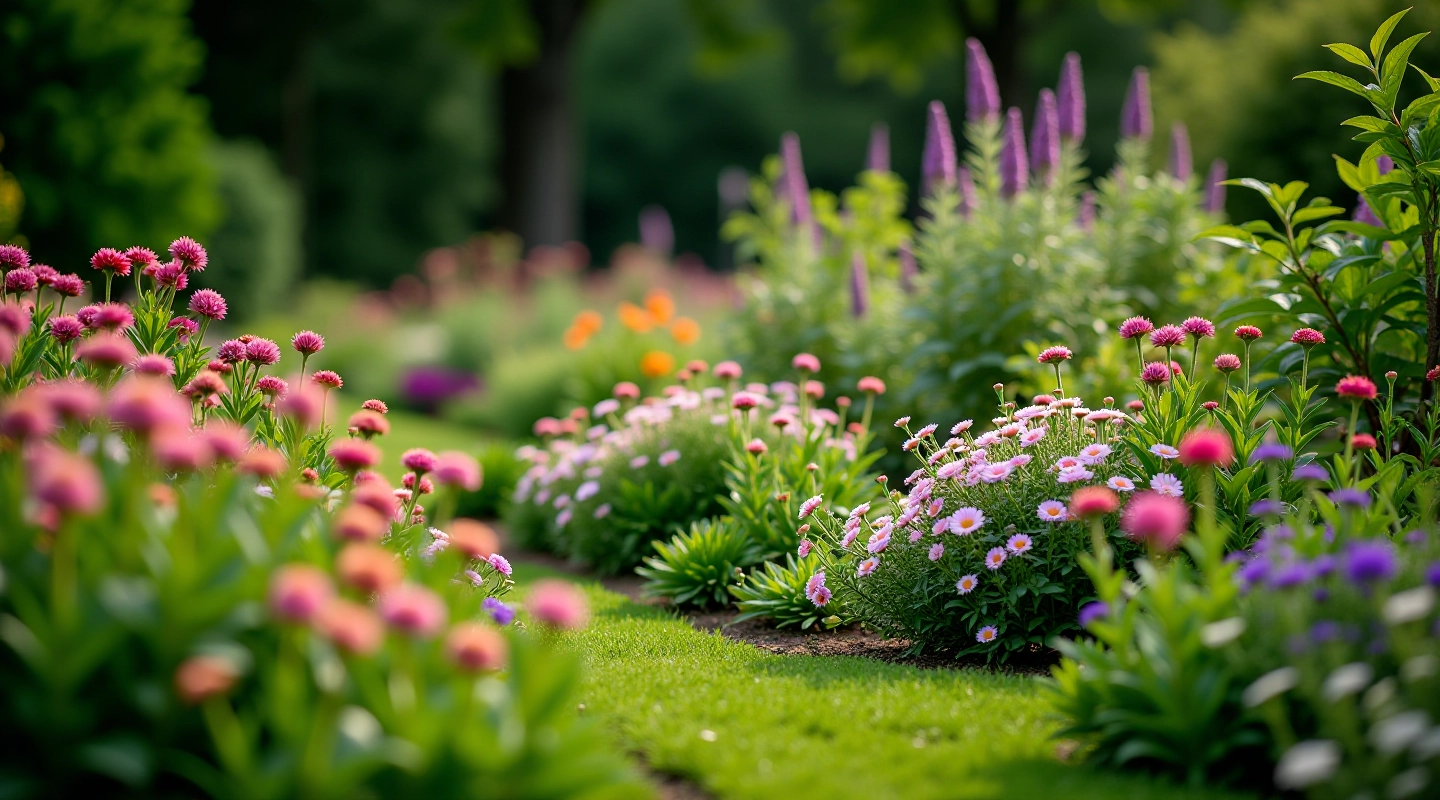
Getting spacing right is the difference between a lush, healthy bed and one that's constantly struggling with disease and competition. You'll want to think about mature plant size, not what you're planting today. That's the mistake most people make.
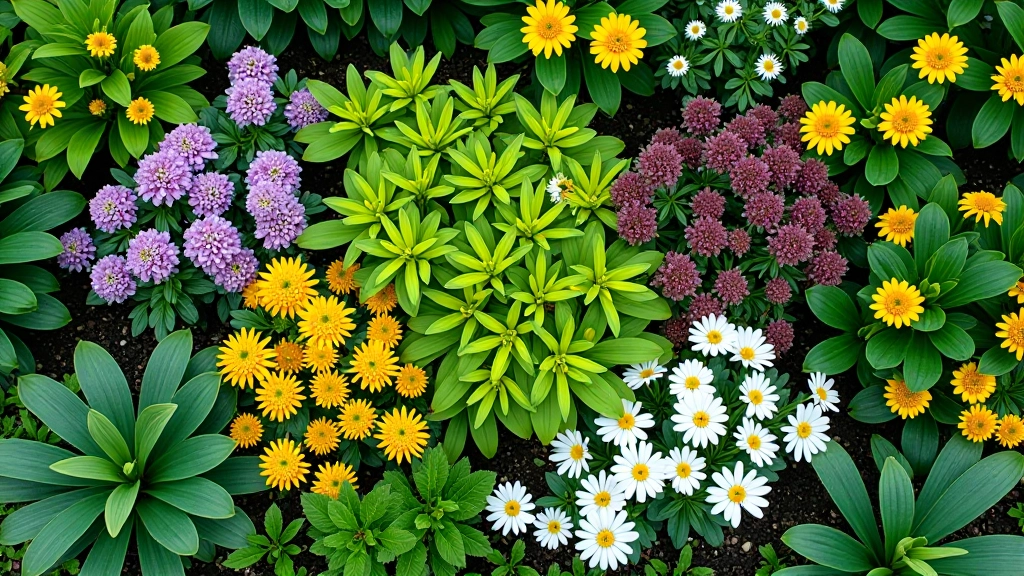
In a cottage garden, plants typically need 50-75% of their mature width between centers. So if a perennial grows to 60cm wide, you'd space the center points about 30-45cm apart. This gives plants room to breathe while still creating that full, abundant look cottage gardens are known for.
Quick Spacing Reference
- Small perennials (20-30cm): Space 20-25cm apart
- Medium plants (40-60cm): Space 30-45cm apart
- Large plants (75-100cm+): Space 50-75cm apart
- Groundcovers: Follow specific cultivar recommendations
Height Layering Strategy
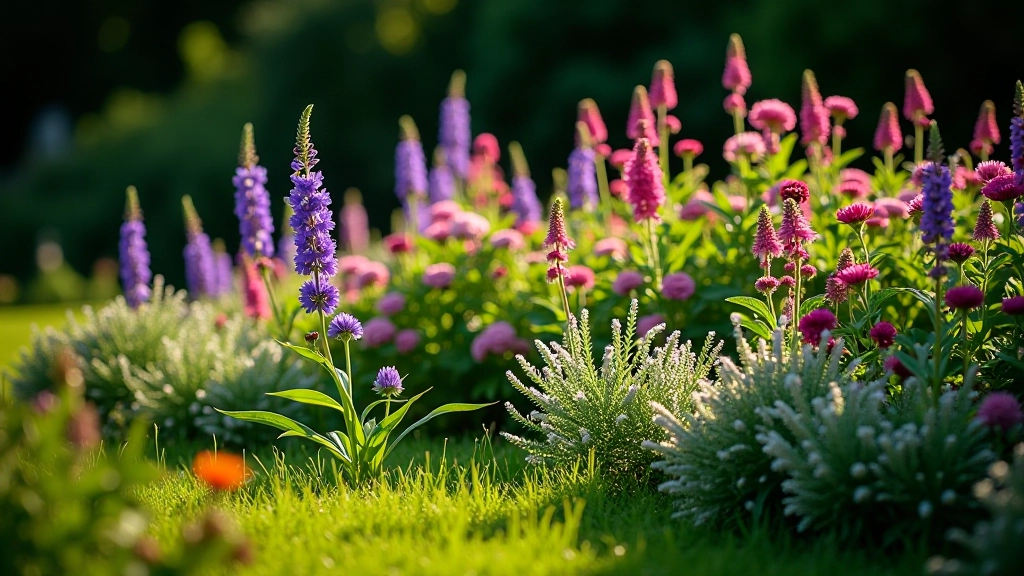
The classic cottage garden uses a tiered approach — tall plants at the back, medium in the middle, short at the front. But here's the thing: you're not creating rigid rows. You'll break this rule on purpose, pulling some tall plants forward and letting some shorter ones peek through. It's controlled chaos.
Start with your tallest plants (120-150cm) as your anchor points. Place 2-3 tall specimens toward the back, leaving space between them. Then add medium-height plants (60-90cm) in front and between the tall ones. Finally, use short plants (30-45cm) at the very front, but let some medium plants come forward to break the line. You'll want at least three distinct height zones in a typical 1.5m-wide bed.
Bloom Time Sequencing
Cottage gardens don't just look good for two weeks in July. You'll want something flowering from late April through September — ideally with overlapping blooms so there's never a dull moment. This requires planning your perennials by their actual bloom windows, not just what catches your eye at the nursery.
Map out your bed in sections by bloom time. Late spring bloomers (hellebores, aquilegia, early peonies) should be positioned where they won't be hidden by early-leafing plants. Summer stars like roses, delphiniums, and coneflowers get prime placement. Late bloomers (asters, sedums, black-eyed susans) fill the back rows so they're visible even as earlier plants fade. Don't plant all your short bloomers in one spot — spread them throughout the bed so you've got color distributed across the whole space, not clustered in patches.
Bloom Sequence for Nordic Gardens:
April-May: Hellebores, aquilegia, creeping phlox | June: Early peonies, bearded iris, early roses | July-August: Delphiniums, coneflowers, roses, yarrow | September: Asters, sedums, rudbeckia

Practical Arrangement Techniques
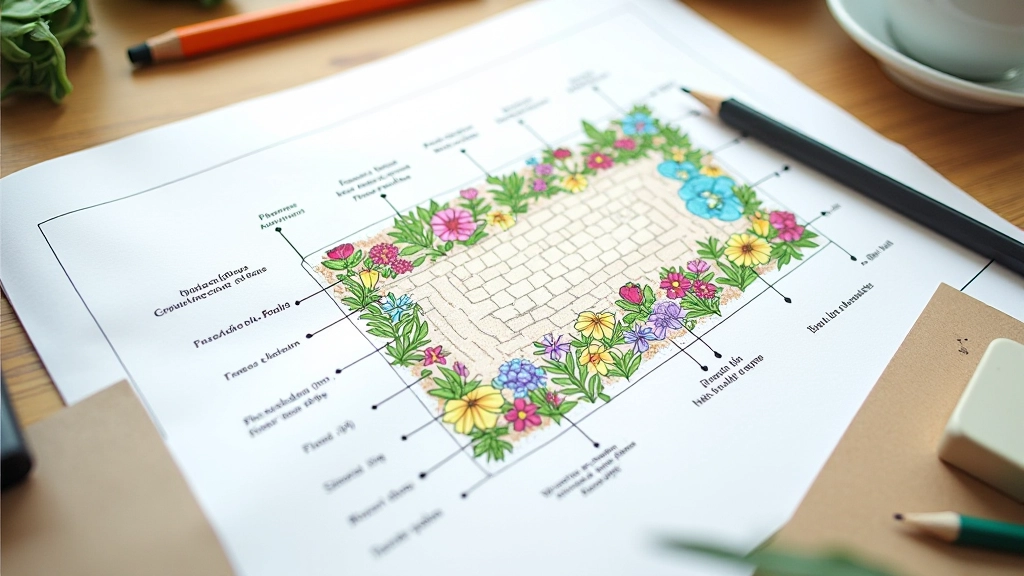
Before you plant anything, spend 15 minutes sketching your bed to scale. Don't overthink it — just draw circles representing each plant's mature spread, label them, and see if the spacing feels right. This saves you from planting a bed, realizing it's too crowded, and having to dig everything up six months later.
Use odd numbers. Plant three of something, not two or four. Five plants in a cluster works better than six. Groups of three tall plants feel more natural than paired specimens. When you're placing plants in the bed, step back every few minutes. What looks balanced from ground level often looks off from 2 meters away. And don't fill every gap on day one. Leave some room — your perennials will fill in, and gaps give you space to add seasonal color or make adjustments.
Nordic Climate Adjustments
Pärnu's maritime climate and shorter growing season mean you'll adjust spacing and plant selection compared to traditional cottage gardens. You're working with about 150 frost-free days, so cold-hardy perennials that establish quickly are essential. Russian sage, catmint, coneflowers, and hardy geraniums thrive here where more tender plants struggle.
Space plants slightly closer than you would in temperate zones — say, 60% of mature width instead of 50%. Your growing season's compressed, so plants need less elbow room and benefit from mutual support. Winter winds can be harsh, so avoid isolating tall plants. Cluster taller specimens so they shelter each other rather than standing alone.

Getting Started with Your Layout
A well-designed cottage garden bed doesn't happen by accident. You'll need to think through spacing, height relationships, and bloom sequences before you plant. But the good news? Once you've got the layout right, you're not constantly fighting overcrowding or gaps in color. The bed maintains itself — plants have room to thrive, they support each other visually, and something's always blooming.
Start with the spacing guidelines and height tiers. Sketch your bed. Choose plants with overlapping bloom times. And don't be afraid to adjust as things grow. Your first year's about learning what works in your specific spot. Year two and three, you'll be refining and expanding. That's how cottage gardens develop their character.
Disclaimer
This guide provides educational information about cottage garden bed layout and perennial spacing for Nordic climates. Specific plant performance depends on your individual soil conditions, microclimate, and gardening practices. Always research your selected perennials for hardiness in your zone and water/light requirements. Local growing conditions in Pärnu may vary — consulting with local garden centers or horticultural extension services is recommended for site-specific advice.