
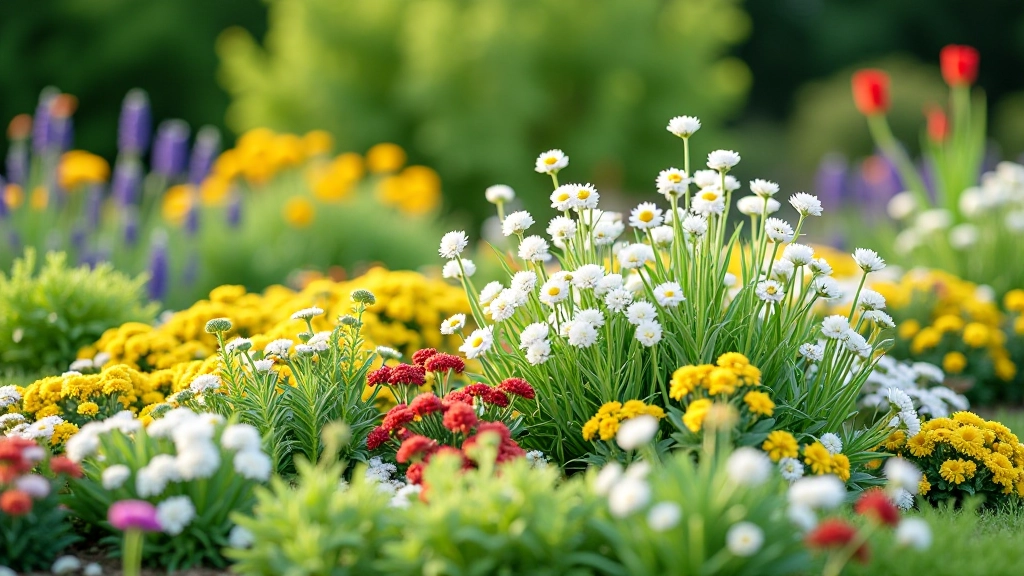
Cottage Garden Bed Layout Essentials
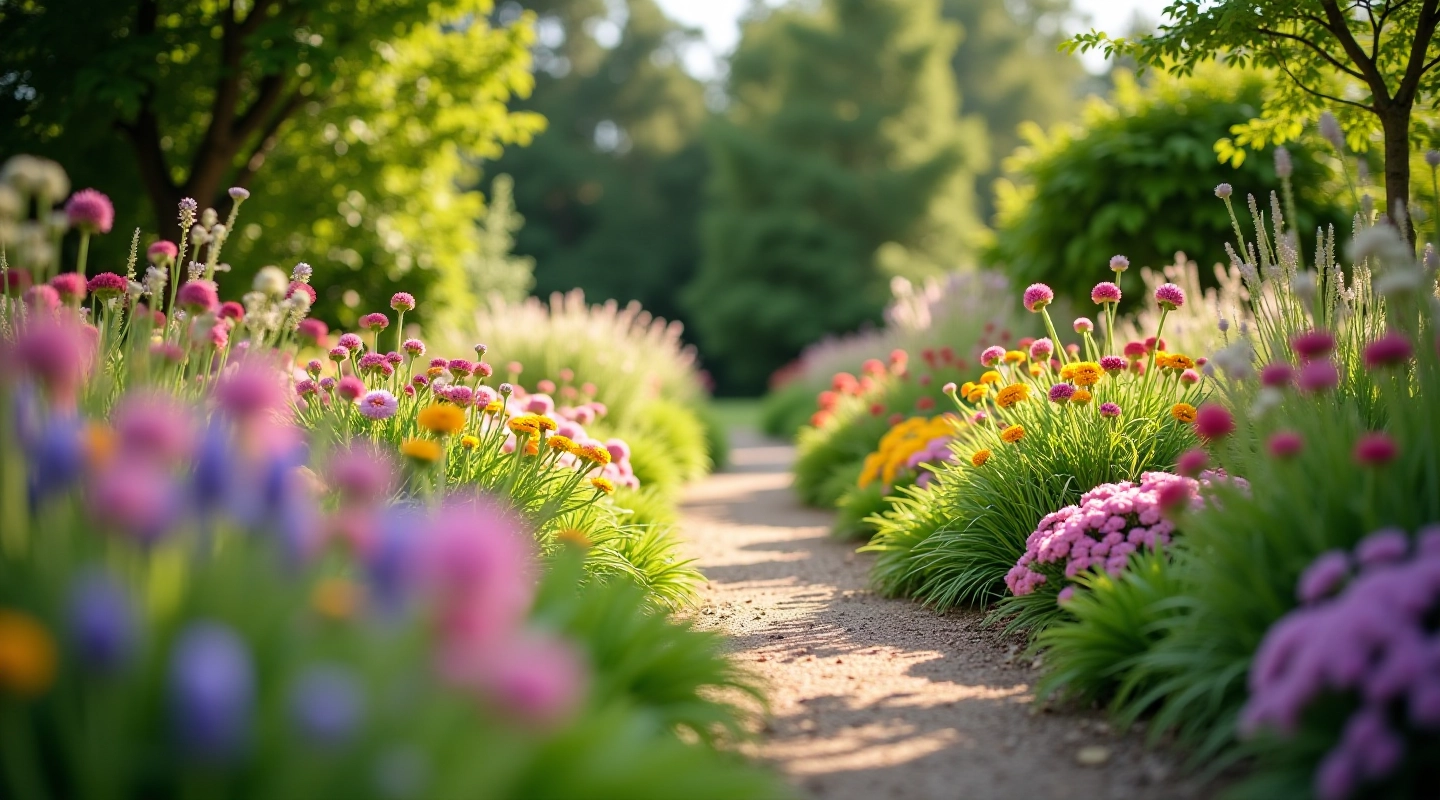
How to arrange plants so they complement each other visually and practically. In our guide, we'll show you spacing, height layering, and color combinations that work in Nordic gardens.
Which varieties actually survive Pärnu winters. We've narrowed it down to the hardy performers that return reliably year after year without special protection.
Editorial Team
Written by the galvquest editorial team, focused on clear, practical guidance for perennial gardening in Nordic climates.
Here's the thing — not every pretty perennial you see in a garden catalog will survive a Nordic winter. Some plants look gorgeous in the photo but won't make it past January in Pärnu. We've spent years testing varieties and talking with local gardeners to figure out which ones actually stick around.
The difference between choosing the right plant and the wrong one? It's the difference between a thriving garden bed and replanting every spring. When you choose cold-hardy perennials that match your climate zone, you're investing in years of reliable blooms without the constant frustration of watching plants die off.
Pärnu falls into USDA hardiness zone 4b-5a, which means winter temperatures regularly dip to -25 to -30°C. This matters because it eliminates a lot of the popular perennials sold at typical garden centers. You need plants rated for zone 4 or colder — there's no wiggle room.
Beyond just temperature, you're dealing with salt-laden winds, heavy snow load, and soil that stays frozen for months. The hardy performers we're talking about aren't just cold-tolerant — they're built for the whole Nordic package. Plants like yarrow, sedum, and daylilies laugh at -25°C. They actually need that cold to thrive properly.
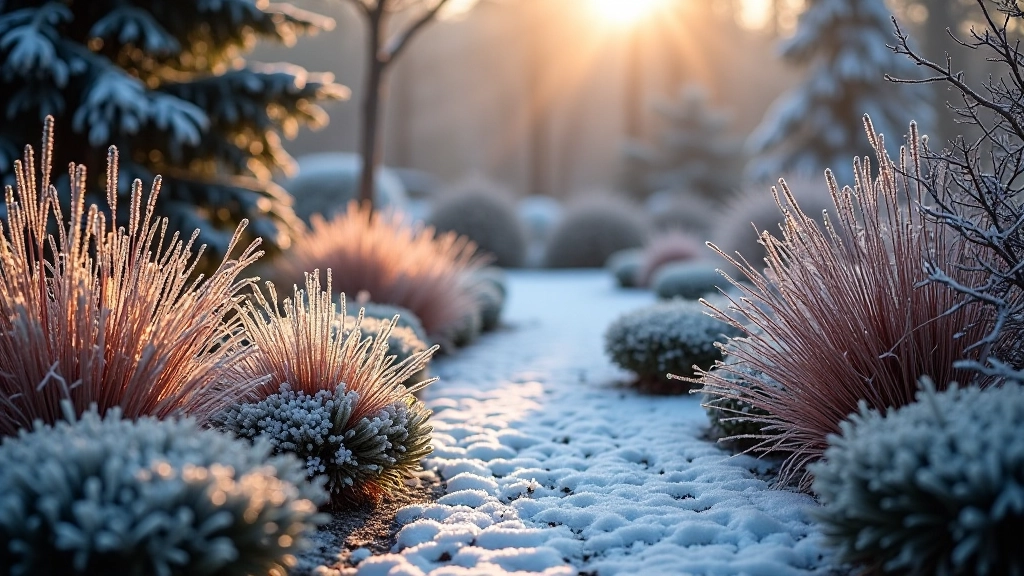
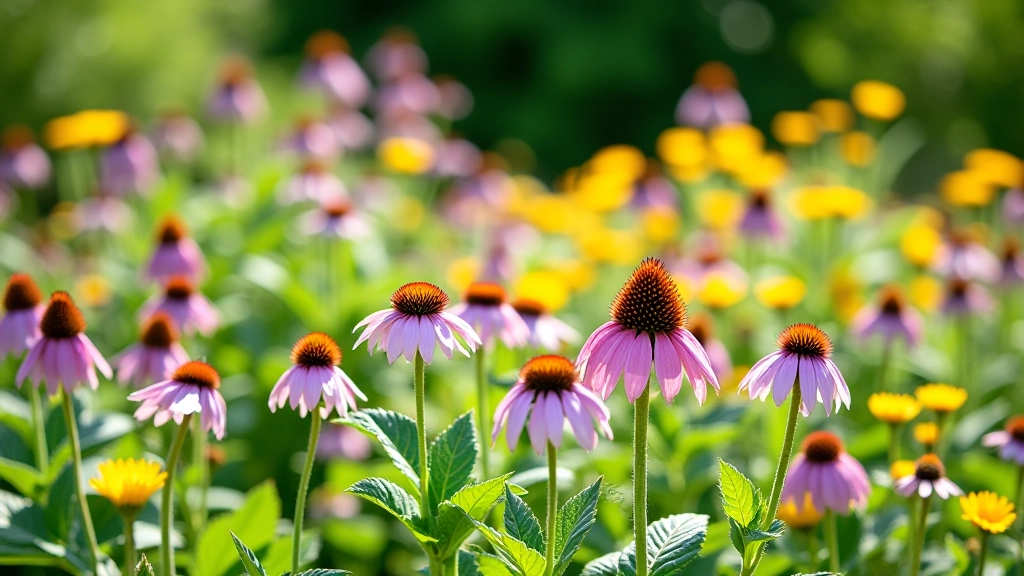
We're talking about the workhorses. Echinacea (purple coneflower) comes back every single year and actually gets better with age. Rudbeckia gives you golden yellows that last from July through October. Sedum varieties are basically indestructible — they'll grow in poor soil, handle the wind, and still flower reliably.
Daylilies aren't fancy, but they're dependable. You'll see them in gardens that have been around for 40+ years because they just work. Peonies? They're slow to establish — give them 2-3 years — but once they do, you've got blooms for decades. Salvia varieties offer nice foliage and flowers, and they're extremely cold-hardy.
The key with all these plants is this: they don't need coddling. No special winter protection, no moving them indoors, no fussing. Plant them, mulch around them in autumn, and let them do their thing. They're designed for cold.
Butterfly bush looks amazing, but it won't make it through a Pärnu winter — don't bother. Same with many salvias you'll see in fancy catalogs. Russian sage is zone 5 at best and iffy even then. Delphinium sounds romantic but needs more care than it's worth in our climate.
The temptation is real. You see a gorgeous photo and the description says "perennial," so you assume it'll work. But zone 6 plants won't survive here. You need zone 4 minimum. Check the hardiness rating before buying anything. If the label says zone 5 and that's all it says, it's a risk.
Mediterranean plants like lavender? They're beautiful, but Pärnu's humidity and our wet springs will rot them out. It's not the cold that kills them — it's the damp. Stick with what's actually meant for Nordic conditions.
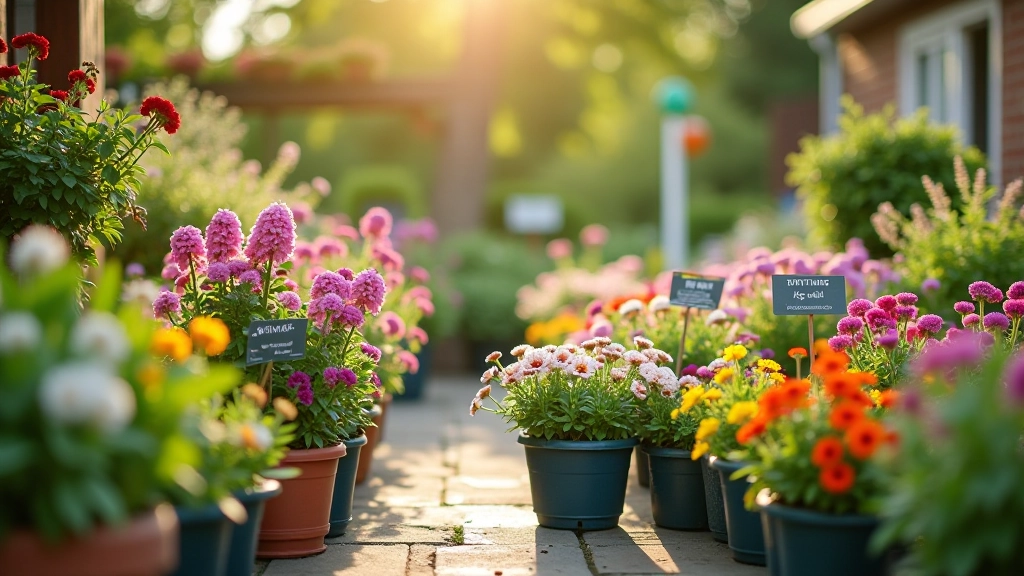
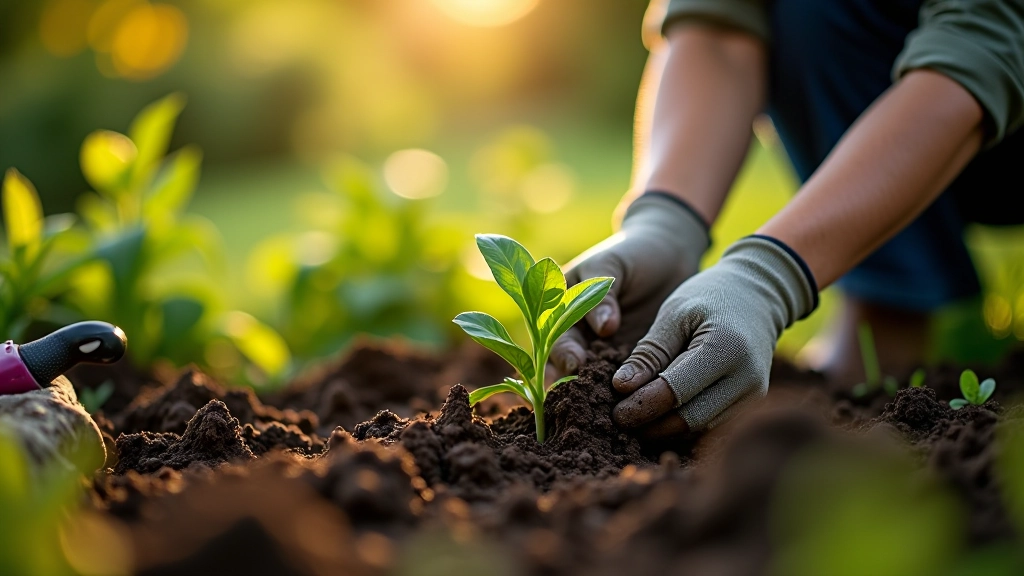
Plant perennials in spring (May onwards when soil's workable) or early autumn (August-September). These windows give roots time to establish before the big freeze. If you plant in late autumn, the plant won't have enough time to develop a strong root system before winter hits.
Space them properly — don't cram them in. Check the mature width on the label and add a couple of inches. Good air circulation prevents disease and helps them handle wind. When you're planting, don't bury the crown (where roots meet stems). Keep it at soil level. Burying it causes rot, especially in our wet springs.
Mulch after planting, but don't mulch right up against the stems. Leave a few inches of clear space around each plant. In autumn, add another layer of mulch for insulation — 5-8cm of bark mulch or compost helps protect roots from the freeze-thaw cycles that happen in March and April.
The gardeners we know who have the most success aren't the ones trying to fight the climate. They're the ones who've embraced it. They plant hardy varieties, give them space, and let Nordic conditions do what they do best — select for the toughest plants.
You don't need a greenhouse or special winter setup. You don't need to replant every spring. What you need is the right plants matched to your zone. Echinacea, rudbeckia, sedum, daylilies, peonies, salvia — these aren't fancy, but they work. They come back year after year. That's the whole point.
Start with a few tried-and-true varieties this year. Watch how they perform through winter. Once you see them come back reliably in spring, you'll understand why these hardy performers are worth every bit of space in your garden.
This guide is for informational purposes and represents general recommendations for perennial selection in Nordic climates. Individual plant survival depends on specific site conditions, soil quality, moisture levels, and local microclimates. Growing conditions vary within Pärnu and Estonia. Always check hardiness zones and plant-specific care requirements before purchasing. Consult local nurseries or horticultural extension services for advice tailored to your specific location and soil conditions.
How to arrange plants so they complement each other visually and practically. In our guide, we'll show you spacing, height layering, and color combinations that work in Nordic gardens.
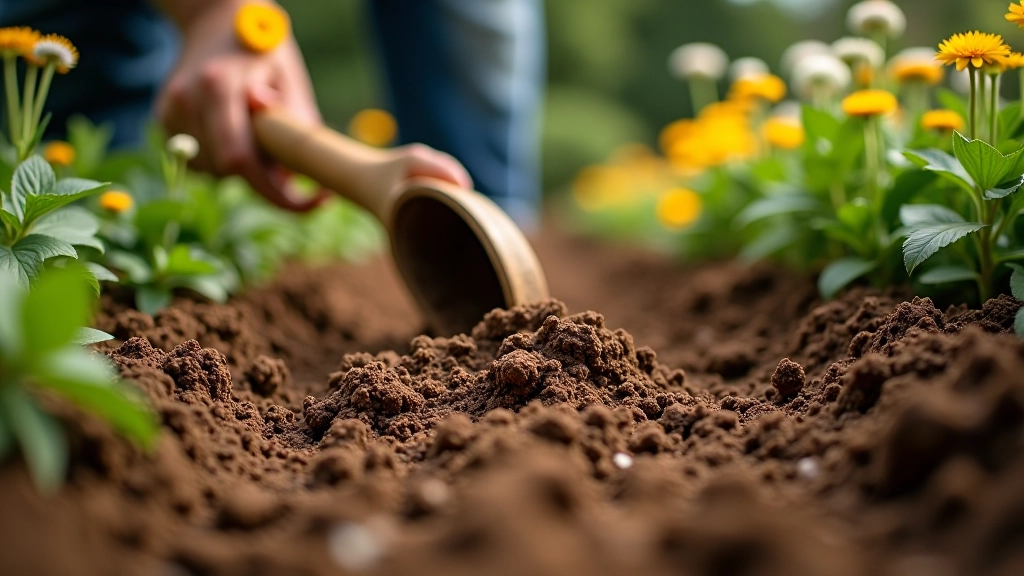
Pärnu's sandy, salt-exposed soils need specific treatment. Learn what amendments work, how to improve drainage, and how to build soil that actually supports perennials long-term.
Month-by-month tasks that keep perennial beds healthy without constant fussing. We break down what to do in spring cleanup, summer deadheading, and autumn preparation.